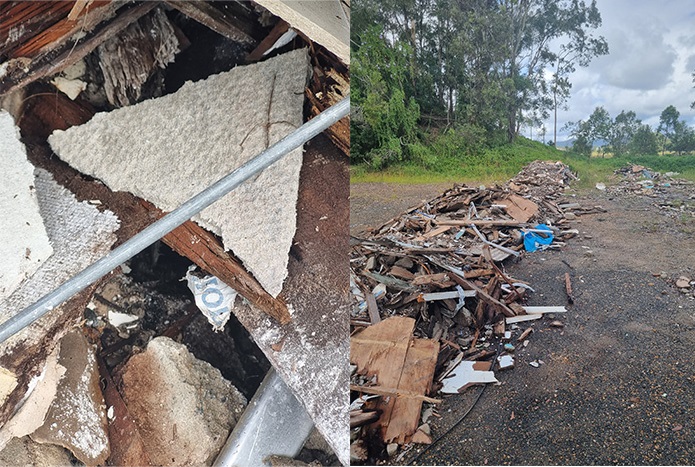
Essential Safety Practices for Owner Builders
Owner builders must prioritize safety to protect themselves and their workers on the job site. Implementing essential safety practices can significantly reduce the risk of accidents and injuries during construction projects.
Key safety practices include wearing appropriate personal protective equipment (PPE), conducting regular safety briefings, and ensuring all tools and equipment are in good working condition. Additionally, understanding and adhering to local safety regulations is crucial for compliance and overall project success.
Understanding Building Regulations for Granny Flats
Before embarking on the construction of a granny flat, it is vital for owner builders to understand the local building regulations. These regulations dictate various aspects of construction, including zoning laws, permit requirements, and safety standards.
Familiarizing oneself with these regulations can prevent costly delays and legal issues. Resources such as local council websites or consultations with building professionals can provide valuable insights into the specific requirements for granny flats in different regions.
Cost-Effective Materials for Construction Projects
Selecting cost-effective materials is essential for owner builders looking to stay within budget while maintaining quality. The right materials can enhance the durability and aesthetic appeal of a structure without overspending.
Options such as recycled materials, locally sourced products, and alternative building materials like SIPs (Structural Insulated Panels) can offer both cost savings and sustainability benefits. Researching and comparing prices from various suppliers can also help in making informed choices.
Benefits of Online Training for Construction Safety
Online training programs provide a flexible and accessible way for individuals in the construction industry to enhance their safety knowledge. These courses often cover essential topics such as hazard identification, risk management, and emergency response procedures.
Furthermore, online training allows participants to learn at their own pace and revisit materials as needed. Many programs also offer certifications that are recognized by employers, making them a valuable addition to any construction professional's credentials.